Dr. Aniruddha's Advance Ortho And Polyclinic | Dr. Aniruddha Deshmukh

Best Knee Joint Preservation in Pune
Knee pain often develops gradually, and although many people assume surgery is inevitable, that is not always the case. In fact, when knee damage is identified early, preserving the natural joint often delivers better long-term comfort and mobility. Therefore, patients increasingly search for the best knee joint preservation in Pune as an alternative to immediate joint replacement. Knee joint preservation focuses on protecting existing cartilage, improving joint alignment, and reducing mechanical stress, all while maintaining natural movement.
At Dr. Aniruddha’s Advance Ortho And Polyclinic, knee joint preservation begins with a detailed clinical evaluation rather than a rushed treatment decision. Instead of replacing the joint prematurely, the care team emphasizes solutions that support joint health, delay degeneration, and improve functional capacity. As a result, many patients continue daily activities with improved comfort while retaining their natural knee structure.
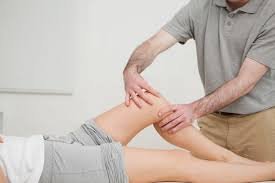
What Knee Joint Preservation Really Means
Knee joint preservation refers to a group of treatment strategies designed to maintain the natural knee rather than remove or replace it. These methods aim to slow cartilage wear, correct joint mechanics, and enhance muscle support around the knee. Consequently, patients often experience pain reduction and improved movement without undergoing major surgery.
At Dr. Aniruddha’s Advance Ortho And Polyclinic, joint preservation planning starts with understanding how the knee functions during movement. By evaluating alignment, muscle balance, and load distribution, the team identifies whether preservation strategies can effectively address symptoms. This careful assessment ensures that treatment decisions remain purposeful and appropriate rather than aggressive.
Who Is an Ideal Candidate for Knee Joint Preservation in Pune
Knee joint preservation suits individuals who experience early or moderate knee pain but still retain reasonable joint structure. Younger adults, physically active individuals, and patients who want to delay joint replacement often benefit the most. Moreover, patients with localized cartilage damage rather than widespread degeneration usually respond better to preservation-focused care.
At Dr. Aniruddha’s Advance Ortho And Polyclinic, suitability is determined through clinical findings and functional testing. Instead of relying solely on age or imaging reports, the team considers activity level, symptom pattern, and long-term goals. Consequently, patients receive realistic guidance and personalized treatment pathways.
Common Knee Problems Addressed Through Joint Preservation
Several knee conditions respond well to preservation strategies. Early osteoarthritis, cartilage thinning, previous sports injuries, and biomechanical imbalance frequently cause pain without complete joint failure. Over time, however, untreated stress accelerates cartilage breakdown and worsens symptoms.
Therefore, Dr. Aniruddha’s Advance Ortho And Polyclinic focuses on identifying the primary source of knee stress early. By addressing contributing factors such as muscle weakness or alignment imbalance, joint load reduces significantly. As a result, patients often notice improved endurance and reduced discomfort during movement.
Non-Surgical Knee Joint Preservation Options
Importance of Physiotherapy in Knee Joint Preservation
Advanced Knee Joint Preservation Techniques
Why Early Intervention Improves Knee Preservation Outcomes
Lifestyle Changes That Support Knee Joint Preservation
Long-Term Benefits of Knee Joint Preservation
Frequently Asked Questions (FAQs)
1. Can knee joint preservation prevent surgery?
Yes, early preservation strategies may delay or avoid joint replacement.
2. Is joint preservation effective for early arthritis?
Yes, early-stage arthritis often responds well to preservation-focused care.
3. Does physiotherapy really protect the knee joint?
Yes, strong muscles reduce stress on knee cartilage.
4. When should knee preservation start?
Early intervention provides the best outcomes.
5. Do lifestyle changes matter for knee health?
Yes, daily habits strongly influence joint longevity.