Dr. Aniruddha's Advance Ortho And Polyclinic | Dr. Aniruddha Deshmukh

Best Joint Fracture Treatment in Pune: Restoring Strength, Stability, and Function
Joint fractures — whether involving the hip, knee, ankle, shoulder, or elbow — represent complex injuries that affect not only bone integrity but also joint mechanics and long-term mobility. Because joints function as coordinated systems of bone, cartilage, ligaments, and muscle, fracture treatment must go beyond bone healing alone. Instead, effective care requires precise reconstruction, alignment restoration, and structured rehabilitation to protect joint stability and prevent long-term degeneration. Consequently, individuals in Pune increasingly seek the best joint fracture treatment to ensure both immediate healing and long-lasting functional recovery.
At Dr. Aniruddha’s Advance Ortho And Polyclinic, joint fracture care prioritizes anatomically accurate repair and individualized recovery planning. Rather than focusing solely on radiographic healing, Dr. Aniruddha Deshmukh evaluates movement mechanics, joint loading patterns, and activity goals to optimize outcomes. As a result, patients experience improved comfort, enhanced stability, and confidence as they reintegrate into daily tasks, work, or athletic pursuits.
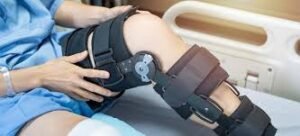
What Defines the Best Joint Fracture Treatment in Pune
When evaluating the best joint fracture treatment in Pune, certain key elements distinguish high-quality care. First, early and accurate diagnosis prevents misalignment that could later affect joint surfaces. Next, treatment pathways must consider both bone healing and the preservation of soft tissues — including cartilage, ligaments, and tendons — which are essential for stable joint function. Furthermore, coordinated care that integrates surgical precision with progressive rehabilitation ensures that recovery is not only complete but long-lasting.
Advanced imaging, such as 3D CT and dynamic motion assessment, supports targeted planning. Meanwhile, surgical expertise guides decisions about fixation methods, implant selection, and alignment correction. When all these components are integrated under one care model, patients benefit through faster functional restoration, reduced complication rates, and improved long-term mobility.
Joint Fracture Assessment and Planning at Dr. Aniruddha’s Advance Ortho And Polyclinic
Joint fracture care begins with a detailed evaluation that goes beyond basic imaging. At Dr. Aniruddha’s Advance Ortho And Polyclinic, Dr. Aniruddha Deshmukh conducts thorough assessments that include physical examination, imaging correlation, and functional analysis of joint motion. This helps identify not only fracture patterns but also secondary issues such as cartilage compression, ligament tension changes, and movement compensation patterns.
This comprehensive evaluation allows treatment planning that aligns with each patient’s anatomy and activity level. For example, fractures near weight-bearing surfaces — such as tibial plateau or acetabular fractures — require precise alignment to protect future joint loading. Meanwhile, fractures involving joint rims or soft tissue attachments demand surgical techniques that preserve stability and motion. With such detailed planning, patients receive tailored care rather than generic fracture pathways.
Surgical Fixation Techniques for Complex Joint Fractures
Effective joint fracture treatment often involves surgical intervention to restore alignment and stability. Surgical fixation techniques vary depending on fracture location, complexity, and patient factors. For instance, plates and screws may be used for fractures involving the distal femur or proximal tibia, while cannulated screws could address certain patellar or shoulder fractures.
At Dr. Aniruddha’s Advance Ortho And Polyclinic, surgical decisions prioritize joint congruency and balanced load distribution. Sophisticated fixation methods help maintain stability under movement, which reduces the risk of post-injury joint degeneration. Moreover, minimally disruptive approaches maintain soft tissue integrity, which speeds early rehabilitation and reduces long-term stiffness. This focus on surgical precision helps ensure that patients receive the best possible foundation for recovery.
Non-Surgical Management and When It Is Appropriate
Not all joint fractures require surgery. Stable, non-displaced fractures may heal effectively with conservative management, including immobilization, controlled motion protocols, and careful follow-up. At Dr. Aniruddha’s Advance Ortho And Polyclinic, conservative treatment is chosen only when joint alignment and stability remain uncompromised. Even then, careful monitoring ensures early detection of any shift.
Conservative care also integrates supportive therapy such as targeted physiotherapy, muscle conditioning, and swelling control strategies. This helps preserve joint function while the fracture heals. Nevertheless, when fractures threaten alignment or joint mechanics, early surgical correction often prevents long-term complications such as arthritis or functional limitations.
Rehabilitation After Joint Fracture Treatment
Rehabilitation plays a critical role in ensuring that restored bone integrity translates into functional movement. At Dr. Aniruddha’s Advance Ortho And Polyclinic, rehabilitation begins with controlled motion to prevent stiffness and progresses into strength, coordination, and proprioceptive training. Because joint fractures affect surrounding soft tissues as well as bone, rehabilitation focuses on restoring integrated movement rather than isolated strength.
Progression is guided by measurable criteria rather than arbitrary timelines. This ensures that the joint builds confidence under load without risking re-injury. Over time, patients return to daily activities — and for athletes, to sport-specific rehabilitation — with greater stability, endurance, and confidence. Structured rehabilitation ultimately supports safer long-term joint health.
Preventing Complications After Joint Fracture Treatment
Even with excellent surgical or conservative management, joint fractures carry the risk of stiffness, swelling, and degenerative changes if follow-up care remains inconsistent. Therefore, long-term prevention strategies include continued muscle conditioning, balanced movement patterns, ergonomic awareness, and periodic joint assessments.
Additionally, monitoring for subtle changes — such as altered gait, uneven weight distribution, or early pain during stress activities — allows timely adjustments to exercise or activity plans. Patients are encouraged to report new symptoms early, as proactive care often prevents secondary complications and supports sustained function.
Why Early Evaluation Improves Joint Fracture Outcomes
Delaying fracture evaluation — especially in joints — often allows misalignment, cartilage compression, or soft tissue adaptation to worsen, making correction more difficult later. Early orthopedic assessment ensures that optimal treatment pathways are identified promptly, whether conservative or surgical. At Dr. Aniruddha’s Advance Ortho And Polyclinic, initial evaluations include not only imaging but also functional analysis to identify hidden biomechanical stresses that may worsen outcomes if unaddressed.
This proactive approach enhances not only short-term healing but also long-term joint performance. Patients who undergo early evaluation often experience fewer setbacks, better alignment outcomes, and smoother rehabilitation progress.
Frequently Asked Questions (FAQs)
How do I know if my joint fracture needs surgery?
Surgery is recommended when joint alignment, stability, or congruency is compromised or threatens future joint function.
Can joint fractures heal without surgery?
Stable, non-displaced fractures may heal conservatively with careful monitoring and rehabilitation.
How long does joint fracture recovery take?
Recovery varies by fracture type and treatment method, but structured rehabilitation often spans several months.
Will joint fracture increase arthritis risk?
Proper alignment and stabilization reduce, but do not entirely eliminate, the risk of post-injury arthritic changes.
Where can I get the best joint fracture treatment in Pune?
You can book an appointment at Dr. Aniruddha’s Advance Ortho And Polyclinic for expert joint fracture care led by Dr. Aniruddha Deshmukh.