Dr. Aniruddha's Advance Ortho And Polyclinic | Dr. Aniruddha Deshmukh
Best Joint Pain Treatment in Pune: Effective Solutions to Restore Comfort and Movement
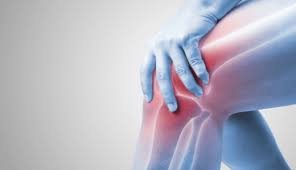
Joint pain can stem from numerous causes, ranging from injury and overuse to degenerative conditions and systemic inflammation. Because pain affects movement, daily tasks, and quality of life, timely and accurate treatment becomes essential rather than optional. Therefore, many individuals in Pune seek the best joint pain treatment to regain stability, reduce discomfort, and protect long-term joint health. Unlike temporary pain relief, effective joint pain care addresses not only the symptom but the underlying mechanical, inflammatory, or structural trigger.
At Dr. Aniruddha’s Advance Ortho And Polyclinic, joint pain treatment revolves around detailed assessment, tailored strategies, and outcome-focused care pathways. Dr. Aniruddha Deshmukh emphasizes individualized planning that integrates diagnostic clarity with evidence-based interventions. As a result, patients benefit from care that supports healing, restores function, and minimizes the risk of recurrence rather than simply masking pain.
Understanding Why Joint Pain Requires Personalized Care
Joint pain rarely originates from a single, isolated issue. Instead, it often reflects complex interactions among cartilage, bone surfaces, ligaments, tendons, and muscle imbalances. For example, early cartilage wear may reduce shock absorption, while ligament instability shifts load unevenly across joint surfaces. Consequently, symptoms that seem similar — such as aching, stiffness, or limited motion — often require different treatment strategies depending on the underlying cause.
Furthermore, pain presentation varies with activity, alignment, and lifestyle factors. Because every patient’s anatomy, activity levels, and pain thresholds differ, personalized care provides far better outcomes than generic approaches. Therefore, the best joint pain treatment in Pune involves detailed evaluation rather than quick fixes, ensuring both immediate comfort and long-term joint resilience.
Comprehensive Assessment at Dr. Aniruddha’s Advance Ortho And Polyclinic
Accurate diagnosis remains the cornerstone of effective joint pain treatment. At Dr. Aniruddha’s Advance Ortho And Polyclinic, Dr. Aniruddha Deshmukh conducts thorough assessments that integrate clinical examination with advanced imaging and functional movement analysis. This process identifies pain generators — whether cartilage stress, ligament strain, joint imbalance, or early degenerative change — and distinguishes them from non-joint sources such as referred or muscular pain.
Once the root cause is identified, personalized treatment plans are formulated to match the patient’s goals, whether pain reduction, activity restoration, or performance optimization. By addressing mechanical stressors and structural contributors together, this approach not only alleviates symptoms but also supports sustainable joint health.
Non-Surgical Joint Pain Treatment Options in Pune
Many cases of joint pain respond well to structured non-surgical treatments, particularly when diagnosis occurs early. These options include targeted physiotherapy to strengthen supporting muscles and improve joint mechanics. Additionally, activity modification and ergonomic counseling reduce stress on irritated joints while maintaining engagement in valued tasks.
Orthobiologic therapies such as platelet-rich plasma (PRP) or stem-cell–based treatments may also support tissue healing when indicated. Guided injections help manage local inflammation and pain while enhancing participation in rehabilitation. At Dr. Aniruddha’s Advance Ortho And Polyclinic, these modalities are integrated into a cohesive plan that emphasizes balanced biomechanics and gradual functional progression.
Surgical Joint Pain Solutions When Conservative Care Is Insufficient
When joint pain persists despite appropriate non-surgical care, surgical intervention may offer more definitive relief. At this stage, treatments such as arthroscopy, realignment procedures, or joint replacement are considered based on severity, functional limitation, and long-term goals. Arthroscopy allows minimally invasive resolution of mechanical problems, whereas joint replacement addresses advanced degenerative changes.
At Dr. Aniruddha’s Advance Ortho And Polyclinic, surgical decisions prioritize joint preservation, precise anatomical correction, and restoration of balanced movement patterns. Preoperative planning includes functional goals, expected recovery trajectory, and rehabilitation integration, which together enhance postoperative success and patient confidence.
Role of Rehabilitation in Successful Joint Pain Treatment
Rehabilitation remains central to joint pain treatment regardless of whether surgery is involved. Early therapy focuses on restoring movement without exacerbating pain, while later stages emphasize strength, proprioception, and sport- or activity-specific skills. Because joint pain often reflects movement imbalance, rehabilitation targets coordinated muscle action rather than isolated strength alone.
Furthermore, measurable criteria guide progression from pain-controlled motion to functional training. At Dr. Aniruddha’s Advance Ortho And Polyclinic, rehabilitation is an integral part of the treatment roadmap rather than an add-on, which supports lasting gains and reduced recurrence risk.
Lifestyle and Preventive Strategies That Support Joint Health
Even after successful pain management, preventive strategies help maintain joint comfort and durability. These include weight management to reduce load, low-impact exercises such as walking and swimming to preserve mobility without stress, and postural awareness to protect alignment during daily activities. Additionally, periodic follow-up assessments allow early detection of changes that could signal emerging joint stress.
This preventive emphasis reduces the likelihood of future flare-ups and reinforces lifelong joint resilience. Therefore, the best joint pain treatment in Pune encompasses both reactive care and proactive maintenance.
Integrating Technology for Precision in Joint Pain Management
Modern orthopedics increasingly incorporates technology such as high-resolution ultrasound, dynamic motion analysis, and weight-bearing imaging to refine diagnosis and treatment planning. These tools reveal subtle movement inefficiencies and structural deviations that manual assessment alone may miss. When integrated into patient evaluation, they enhance precision and guide targeted interventions.
At Dr. Aniruddha’s Advance Ortho And Polyclinic, advanced assessment tools support clinical judgment without replacing it, ensuring that treatment decisions reflect both data and individualized needs. This combination improves both short-term comfort and long-term joint performance.
Frequently Asked Questions (FAQs)
What causes joint pain?
Joint pain can arise from injury, overuse, degenerative changes, inflammation, or mechanical imbalance.
Can joint pain be treated without surgery?
Yes, many cases respond well to structured non-surgical care including therapy, injections, and lifestyle modifications.
When is surgery recommended for joint pain?
Surgery is considered when pain persists despite conservative care and when functional limitations significantly affect daily life.
How long does joint pain treatment take?
Treatment duration varies by condition and goals but typically involves phased care rather than fixed timelines.
Where can I get the best joint pain treatment in Pune?
You can book an appointment at Dr. Aniruddha’s Advance Ortho And Polyclinic for expert joint pain care.