Dr. Aniruddha's Advance Ortho And Polyclinic | Dr. Aniruddha Deshmukh

Best Knee Fracture Treatment in Pune
A knee fracture can significantly disrupt daily movement, balance, and independence, especially because the knee joint plays a central role in weight-bearing and mobility. Whether the injury occurs due to a fall, sports trauma, or road accident, immediate attention becomes essential to avoid long-term complications. Therefore, individuals searching for the best knee fracture treatment in Pune often seek care that focuses not only on bone healing but also on restoring joint function and confidence in movement.
At Dr. Aniruddha’s Advance Ortho And Polyclinic, knee fracture care begins with a structured assessment process that evaluates pain, swelling, alignment, and functional limitation. Instead of applying uniform treatment methods, each case is approached individually, ensuring that management decisions align with the fracture type, joint involvement, and the patient’s activity requirements.
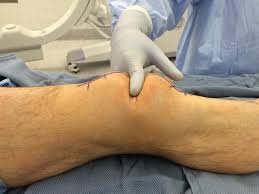
Understanding Knee Fractures and Joint Involvement
Knee fractures involve one or more bones around the knee joint, including the kneecap, lower end of the thigh bone, or upper part of the shin bone. Because these structures work together to allow bending, straightening, and weight transfer, fractures in this area often affect both movement and stability. In many cases, swelling and pain appear immediately, while stiffness and weakness may develop over time if treatment is delayed.
At Dr. Aniruddha’s Advance Ortho And Polyclinic, careful evaluation helps determine how the fracture impacts joint mechanics. This allows treatment to address both structural healing and functional recovery. By understanding the full extent of joint involvement early, unnecessary complications such as stiffness or misalignment can be minimized.
Common Causes of Knee Fractures
Knee fractures commonly result from high-impact injuries such as road accidents, falls from height, or sports-related trauma. In some cases, repetitive stress or reduced bone strength may increase fracture risk even with lower-impact injuries. Regardless of cause, pain and movement restriction often follow immediately, making early diagnosis important.
Patients visiting Dr. Aniruddha’s Advance Ortho And Polyclinic benefit from prompt assessment that helps identify fracture severity and associated soft tissue damage. Early intervention supports better healing outcomes and allows a smoother transition into rehabilitation when appropriate.
Types of Knee Fractures Treated in Pune
Different fracture patterns affect recovery timelines and treatment choices. Patella fractures may interfere with knee straightening, while tibial plateau fractures can alter weight distribution across the joint. Femoral fractures near the knee may impact alignment and overall leg stability. Each type presents unique challenges that require individualized care.
At Dr. Aniruddha’s Advance Ortho And Polyclinic, fracture classification helps guide treatment planning. By matching the approach to the fracture type, joint stability and long-term function are prioritized rather than focusing solely on bone healing.
Non-Surgical Knee Fracture Management Options
Surgical Treatment for Complex Knee Fractures
Pain Management and Early Recovery Phase
Rehabilitation After Knee Fracture Treatment in Pune
Long-Term Recovery and Knee Function
Frequently Asked Questions (FAQs)
1. How soon should knee fracture treatment begin?
Early evaluation is recommended immediately after injury to prevent complications.
2. Are all knee fractures treated surgically?
No, stable fractures may heal well with non-surgical care.
3. How long does knee fracture recovery take?
Recovery duration depends on fracture type and treatment approach.
4. Is rehabilitation necessary after healing?
Yes, rehabilitation supports strength, flexibility, and joint control.
5. Can knee fractures affect long-term mobility?
Proper treatment and rehabilitation help minimize long-term limitations.