Dr. Aniruddha's Advance Ortho And Polyclinic | Dr. Aniruddha Deshmukh
Best Orthobiologics in Pune: Targeted Regenerative Joint and Tissue Healing
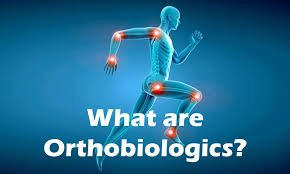
The field of orthobiologics has transformed how we treat musculoskeletal injuries, chronic joint pain, and early degenerative conditions. Rather than relying solely on surgical interventions or long-term medication, orthobiologic therapies use the body’s own healing mechanisms to support tissue regeneration and symptom relief. Consequently, patients now seek out the best orthobiologics in Pune for conditions that once had limited treatment options. These advanced treatments help reduce inflammation, improve tissue repair, and enhance joint function with a focus on biologically-driven healing.
At Dr. Aniruddha’s Advance Ortho And Polyclinic, orthobiologic care goes beyond generic injections. Instead, Dr. Aniruddha Deshmukh integrates detailed clinical assessment, targeted biologic selection, and individualized treatment sequencing to optimize outcomes. As a result, patients benefit from regenerative solutions that support healing while minimizing procedural trauma. Because orthobiologic therapies vary widely in source and application, precision in selection and delivery remains critical for consistent, long-term improvement.
Understanding Orthobiologics: How Regenerative Therapies Work
Why Choose Dr. Aniruddha’s Advance Ortho And Polyclinic for Orthobiologic Care
Selecting the best orthobiologics in Pune involves more than choosing a popular therapy; it requires expert evaluation and customized planning. At Dr. Aniruddha’s Advance Ortho And Polyclinic, orthobiologic treatments begin with detailed assessment of movement mechanics, imaging, and symptom patterns. This ensures that biologic interventions address the underlying mechanical stresses causing tissue degeneration rather than providing temporary relief alone.
Dr. Aniruddha Deshmukh correlates clinical findings with activity goals, age-related changes, and healing potential before recommending specific orthobiologic solutions. Consequently, patients receive targeted therapy such as PRP, stem cell concentrates, or combined biologic approaches that align with their individual healing profile. This precision-focused method helps improve both short-term comfort and long-term tissue resilience.
Conditions Commonly Treated with Orthobiologic Therapies in Pune
Orthobiologics are increasingly used for a wide range of musculoskeletal conditions that were previously treated solely with medications or surgery. For instance, patients with early osteoarthritis often experience reduced pain and improved function after targeted PRP or stem cell injections. Similarly, chronic tendon injuries such as Achilles tendinopathy, patellar tendinosis, and rotator cuff tendon degeneration respond well to regenerative biologics because these therapies enhance collagen remodeling and tissue repair.
In addition, orthobiologics support recovery after ligament sprains, mild cartilage defects, and certain persistent joint inflammations. Because these therapies focus on biological healing pathways, they are particularly useful when structural damage remains moderate and surrounding joints continue to function reasonably well. As a result, many patients delay or avoid more invasive procedures such as joint replacement while maintaining activity levels and functional comfort.
The Science Behind PRP, Stem Cells, and Growth Factor Therapies
Orthobiologics vary not only in source but also in biological function. Platelet-rich plasma (PRP) therapies concentrate a patient’s own platelets and growth factors to stimulate local cellular activity and reduce inflammation. This is particularly useful for tendon injuries and early cartilage wear patterns where enhanced cellular signaling promotes repair.
Conversely, stem cell concentrates, obtained from bone marrow or adipose tissue, supply regenerative cells capable of supporting tissue remodeling in more complex injuries. These cells help by differentiating into various musculoskeletal cell types and by secreting bioactive factors that attract native healing cells. Although stem cell applications are more intricate, they offer valuable options for patients with multi-tissue involvement or chronic degeneration.
Because these treatments differ in mechanism and indication, targeted assessment and expertise — such as that offered at Dr. Aniruddha’s Advance Ortho And Polyclinic — ensure that the biologic selected aligns with both the tissue requirement and the patient’s long-term joint goals.
Non-Biologic Supportive Treatments That Complement Orthobiologic Care
While orthobiologics directly influence healing pathways, supportive treatments remain essential for optimizing outcomes. Physiotherapy continues to play a central role in preparing tissues for biologic intervention by strengthening surrounding muscles, improving joint alignment, and reducing mechanical overload. In addition, activity modification and ergonomic adjustments help protect healing tissues during the initial recovery phase.
Because orthobiologics work best when mechanical stresses are balanced and controlled, structured rehabilitation remains a core component of comprehensive care. At Dr. Aniruddha’s Advance Ortho And Polyclinic, conservative and regenerative pathways intersect rather than diverge, ensuring that patients receive coordinated support before, during, and after biologic treatments.
What to Expect During Orthobiologic Procedures
Orthobiologic treatments involve minimally invasive delivery rather than open surgery. Typically, procedures such as PRP or stem cell injections take place in a clinical setting after sterile preparation and local anesthesia. Imaging guidance — whether ultrasound or fluoroscopy — often enhances precision by ensuring that biologics reach the intended tissue zone.
Because these therapies use the patient’s own biological material, risks remain low compared with more invasive interventions. Post-procedure protocols typically involve a short period of rest followed by guided rehabilitation to support integration of regenerative signals into tissue repair. Importantly, these therapies work gradually, and many patients notice improvements over weeks rather than days, which reflects the natural progression of tissue healing.
Frequently Asked Questions (FAQs)
What are orthobiologics used for?
Orthobiologics support tissue regeneration and pain reduction in tendon injuries, early arthritis, and certain ligament or cartilage conditions.
Is orthobiologic treatment painful?
Most procedures involve minimal discomfort and are performed under local anesthesia with guided delivery.
How long do orthobiologic therapies take to work?
Because they stimulate natural healing pathways, improvements often emerge gradually over several weeks.
Can orthobiologics replace surgery?
In many cases, regenerative therapies delay or reduce the need for surgery, especially when combined with supportive care.
Who is a good candidate for orthobiologic treatments in Pune?
Patients with early degeneration, chronic tendon issues, or moderate joint inflammation often benefit most from targeted orthobiologic care.