Dr. Aniruddha's Advance Ortho And Polyclinic | Dr. Aniruddha Deshmukh

Hip Joint in Pune: Expert Insights for Pain Relief, Mobility, and Long-Term Joint Health
The hip joint plays a central role in movement, weight-bearing, and balance, yet many people overlook subtle discomfort until pain and stiffness begin limiting daily activities. Because the hip supports walking, climbing stairs, and standing for prolonged periods, even small changes in mechanics can eventually disrupt quality of life. Therefore, understanding how the hip joint functions, what causes its problems, and how targeted treatment can restore comfort and mobility becomes essential for anyone experiencing persistent hip pain or movement limitation.
In Pune, individuals increasingly seek care that integrates accurate diagnosis, personalized planning, and progressive recovery strategies. At Dr. Aniruddha’s Advance Ortho And Polyclinic, hip joint evaluation is more than a routine check-up; it is a structured diagnostic process designed to pinpoint the true causes of discomfort and guide treatment choices that align with each person’s activity goals and long-term joint health.
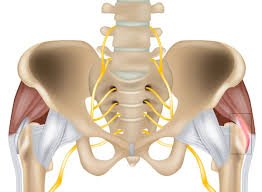
How the Hip Joint Works and Why It Matters
The hip joint is a ball-and-socket structure that allows a wide range of movement while supporting nearly the entire body weight during walking, running, or standing. Efficient hip function depends on healthy cartilage, balanced muscle coordination, and intact supporting ligaments. When any of these elements become compromised due to injury, overuse, or degeneration, pain and mobility changes often emerge subtly before they worsen.
Furthermore, because the hip interacts with the lumbar spine and knee joint during daily movement, problems in one area frequently affect the others. For example, a subtle imbalance in hip strength can change gait mechanics and eventually contribute to knee discomfort or low back strain. Consequently, early attention from a qualified orthopedic specialist such as Dr. Aniruddha Deshmukh helps prevent secondary compensations and protect overall musculoskeletal balance.
Common Hip Joint Problems Seen in Pune Patients
Hip joint issues in Pune reflect a blend of activity-related wear, age-related changes, and post-injury conditions. For instance, hip osteoarthritis results from progressive cartilage wear, which often presents as groin pain, stiffness after sitting, or difficulty rising from chairs. Similarly, labral tears — damage to the rim of cartilage around the socket — frequently cause sharp catching sensations during rotation or deep bending.
Additionally, avascular necrosis — a condition where blood supply to the femoral head reduces — can lead to early cartilage collapse and debilitating pain if not identified promptly. Other patterns such as tendinopathy of the hip musculature or post-fracture biomechanical changes also contribute to long-term discomfort. Because symptoms often overlap, accurate identification of the underlying cause remains essential for effective treatment rather than simply masking pain with medications.
Hip Joint Evaluation at Dr. Aniruddha’s Advance Ortho And Polyclinic
Successful hip joint care begins with a comprehensive evaluation that goes beyond a basic physical exam. At Dr. Aniruddha’s Advance Ortho And Polyclinic, Dr. Aniruddha Deshmukh combines patient history, movement analysis, and targeted imaging to create a clear picture of hip mechanics. This approach identifies not only structural damage but also subtle movement imbalances that contribute to persistent symptoms.
Moreover, the evaluation considers lifestyle, daily activity demands, and future goals to tailor treatment choices. Whether the primary concern involves early cartilage wear, sports-related strain, or gait alteration after an injury, this structured assessment ensures that interventions focus on the true source of dysfunction rather than symptomatic treatment alone.
Non-Surgical Hip Joint Treatment Options in Pune
Not all hip joint problems require surgery. Many patients benefit significantly from structured, non-surgical care, especially when symptoms are detected early. These options include targeted physiotherapy to strengthen hip stabilizers, gait retraining to correct movement patterns, and activity modification to reduce repetitive stress. Additionally, therapeutic injections designed to reduce local inflammation may help patients engage more fully in rehabilitation.
At Dr. Aniruddha’s Advance Ortho And Polyclinic, conservative care emphasizes mechanical correction rather than temporary pain suppression. For example, by improving hip muscle balance and correcting faulty movement patterns, patients often experience reduced pain and enhanced function without invasive procedures. This strategy not only improves comfort but also optimizes hip joint mechanics, which contributes to slower disease progression.
When Hip Joint Surgery Becomes Necessary
Hip joint problems that do not improve with structured non-surgical care may require surgical intervention to restore function and reduce pain. Conditions such as advanced osteoarthritis, significant labral damage, or biomechanical deformities often respond best to surgical correction when conservative treatments no longer deliver meaningful relief.
At Dr. Aniruddha’s Advance Ortho And Polyclinic, surgical planning emphasizes anatomical precision, joint alignment, and tissue preservation. Whether the procedure involves arthroscopic repair to correct internal joint pathology or hip replacement to restore smooth weight-bearing movement, surgical decisions are based on clear functional indications and long-term benefit rather than fixed protocols alone.
Rehabilitation After Hip Joint Treatment
Preventive Hip Joint Care for Long-Term Health
Understanding Hip Joint Pain in Different Age Groups
Frequently Asked Questions (FAQs)
What are the early signs of hip joint problems?
Early signs include groin pain, stiffness after sitting, limping, or difficulty rising from chairs or walking long distances.
Can hip pain be managed without surgery?
Yes, many hip problems improve significantly with targeted physiotherapy, movement correction, and activity modification.
When should hip pain be evaluated by a specialist?
Persistent pain lasting more than a few weeks, pain that limits daily activity, or discomfort accompanied by swelling warrants specialist evaluation.
Is hip rehabilitation important after treatment?
Absolutely; structured rehabilitation restores strength, improves coordination, and helps prevent recurrence of symptoms.
Where can I get expert hip joint care in Pune?
You can book an appointment at Dr. Aniruddha’s Advance Ortho And Polyclinic for expert hip joint evaluation and treatment.