Dr. Aniruddha's Advance Ortho And Polyclinic | Dr. Aniruddha Deshmukh
Knee Pain Treatment In Pune

Knee pain can slowly disrupt daily routines, affecting walking, standing, and even simple movements such as sitting down or climbing stairs. Because the knee supports body weight and absorbs impact during movement, discomfort often increases when left unaddressed. Therefore, timely evaluation becomes important. People searching for knee pain treatment in Pune usually want relief that restores mobility while protecting long-term joint health.

Although knee pain may begin mildly, it often progresses due to repetitive stress, muscle imbalance, or joint wear. Moreover, pain may fluctuate, improving temporarily before returning with greater intensity. Consequently, addressing the underlying cause rather than masking symptoms plays a crucial role in sustainable recovery.
Knee Pain Treatment In Pune

Common Causes of Knee Pain That Require Treatment

Knee pain may result from cartilage wear, ligament strain, muscle weakness, or altered movement mechanics. Additionally, prolonged sitting, improper posture, or repetitive activities can increase joint stress over time. As a result, discomfort may develop gradually rather than after a sudden injury. In some cases, knee pain originates from alignment issues affecting how weight transfers through the joint. Therefore, identifying contributing factors becomes essential. Early intervention often prevents progression toward long-term stiffness and mobility restriction.

Signs That Indicate the Need for Knee Pain Treatment in Pune

Persistent pain during walking, difficulty rising from a chair, or stiffness after rest often indicate knee involvement. Furthermore, swelling or instability may limit confidence during movement. When pain interferes with sleep or daily activities, evaluation should not be delayed. Recognizing these symptoms early allows structured care to begin promptly. Consequently, recovery remains smoother and less disruptive. Timely treatment also reduces compensatory strain on the hips and lower back.

Knee Pain Evaluation at Dr. Aniruddha’s Advance Ortho And Polyclinic

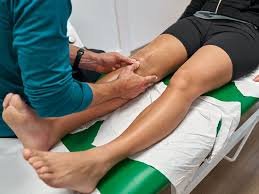
At Dr. Aniruddha’s Advance Ortho And Polyclinic, knee pain evaluation focuses on movement quality, joint alignment, and functional stability. Instead of relying only on reports, clinical assessment examines walking patterns, muscle balance, and pain response. As a result, treatment planning remains precise and individualized. This structured approach helps differentiate joint-related pain from muscular or referred discomfort. Therefore, patients receive targeted care rather than generalized recommendations. Early diagnostic clarity supports effective and long-term improvement.

Knee Pain Treatment in Pune by Dr. Aniruddha Deshmukh

Dr. Aniruddha Deshmukh emphasizes restoring knee stability, strength, and movement efficiency while reducing joint stress. Rather than applying fixed treatment protocols, care decisions align with activity level, pain behavior, and recovery goals. Consequently, treatment remains practical and patient-specific. Clear communication throughout the process helps patients understand recovery expectations. This transparency builds confidence and supports consistent participation in rehabilitation, which plays a key role in long-term relief.

Non-Surgical Knee Pain Treatment Options

Many knee pain conditions respond well to non-surgical care. Targeted physiotherapy, activity modification, and movement correction often reduce joint overload. Therefore, invasive procedures can frequently be avoided. Strengthening exercises improve muscular support around the knee, while flexibility training restores motion efficiency. As coordination improves, pain often reduces naturally. Consistency and guided progression remain essential during this phase.

Role of Physiotherapy in Knee Pain Recovery

Physiotherapy supports knee strength, balance, and coordination. Weak muscles increase joint stress, while stiffness restricts natural movement patterns. Consequently, structured exercise programs become vital for recovery. When exercises progress gradually, the knee adapts safely. As strength and flexibility improve, daily activities feel easier and more controlled. Long-term physiotherapy guidance also helps prevent recurrence.

Advanced Treatment Approaches for Persistent Knee Pain

When basic care does not provide adequate relief, advanced treatment strategies may be considered. These approaches focus on joint preservation and functional improvement rather than aggressive intervention. However, careful evaluation determines suitability. A step-by-step approach ensures safety and clarity. Therefore, treatment escalation occurs only when clearly beneficial and aligned with patient needs.

Lifestyle Adjustments That Support Knee Pain Treatment

Daily habits strongly influence knee comfort. Weight management reduces joint load, while posture awareness improves alignment. Additionally, pacing activities prevents overuse and flare-ups. Simple lifestyle changes complement clinical treatment. Consequently, recovery becomes more sustainable and effective over time.

Preventing Recurrence of Knee Pain

Preventing knee pain recurrence requires ongoing attention to movement mechanics and muscle balance. Ignoring early discomfort may allow symptoms to return. Therefore, maintaining strength and flexibility remains important even after pain improves. Consistent guidance helps preserve joint health. These measures reduce the likelihood of future pain episodes and functional limitation.
Effective knee pain care depends on experience, structured assessment, and follow-up support. Because knee function influences overall mobility, treatment must remain comprehensive. A rushed approach may overlook contributing factors. For individuals seeking dependable knee pain treatment in Pune, patient-focused orthopedic care supports both immediate relief and long-term joint mobility.

Frequently Asked Questions (FAQs)

1. Can knee pain improve without surgery?
Yes, many cases respond well to non-surgical treatment.

2. When should knee pain be evaluated?
Persistent pain, stiffness, or swelling should be assessed early.

3. Does physiotherapy help chronic knee pain?
Yes, it improves strength, flexibility, and joint control.

4. Can untreated knee pain affect other joints?
Yes, altered movement can strain hips and the spine.

5. How long does knee pain recovery take?
Recovery depends on the cause and consistency of treatment.

Call Now Button