Dr. Aniruddha's Advance Ortho And Polyclinic | Dr. Aniruddha Deshmukh

Knee Replacement Surgery in Pune: Restoring Mobility and Confidence Through Advanced Care
The Knee replacement surgery in Pune has become a reliable solution for individuals whose daily lives are disrupted by persistent knee pain, stiffness, and reduced movement. As joint degeneration progresses, routine activities such as walking, climbing stairs, or standing for long periods often become exhausting and painful. Consequently, many patients begin searching for long-term relief rather than temporary symptom control. Pune, with its advanced orthopedic infrastructure and experienced specialists, now offers comprehensive knee care that focuses on function, durability, and quality of life.
At Dr. Aniruddha’s Advance Ortho And Polyclinic, knee replacement surgery is approached with precision and thoughtful planning. Rather than viewing surgery as a last resort alone, Dr. Aniruddha Deshmukh emphasizes timely intervention based on joint condition, lifestyle needs, and future mobility goals. As a result, patients receive clarity about treatment choices while feeling confident about their recovery path. This balanced approach helps individuals regain independence while protecting overall joint health.
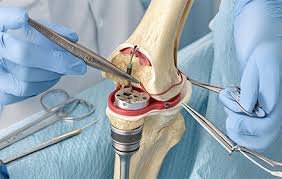
Progressive Knee Joint Damage and the Need for Replacement Surgery
The Knee joint problems usually develop gradually, although their impact often feels sudden once pain becomes constant. Initially, discomfort may appear only after activity; however, over time, swelling, stiffness, and instability begin to interfere with rest and movement alike. As cartilage wears down, the joint loses its ability to absorb shock smoothly. Therefore, bone surfaces begin to rub against each other, causing pain that no longer responds to routine care.
Common conditions leading to knee replacement surgery in Pune include advanced osteoarthritis, inflammatory joint disorders, post-traumatic joint damage, and severe deformities affecting alignment. While medications, injections, and physiotherapy often help in early stages, their benefits diminish as structural damage progresses. Consequently, when imaging and clinical evaluation reveal irreversible degeneration, knee replacement surgery provides a reliable option to restore alignment, relieve pain, and improve walking ability.
Knee Replacement Surgery at Dr. Aniruddha’s Advance Ortho And Polyclinic
Non-Surgical Knee Pain Treatments Before Considering Surgery
Before knee replacement surgery in Pune becomes necessary, many patients benefit from structured non-surgical management. At Dr. Aniruddha’s Advance Ortho And Polyclinic, conservative treatment focuses on improving joint mechanics rather than masking symptoms. Physiotherapy programs strengthen surrounding muscles, improve flexibility, and reduce joint stress. Meanwhile, activity modification helps patients avoid movements that accelerate wear.
In some cases, injections may be used to reduce inflammation and pain, allowing better participation in rehabilitation exercises. Weight management and posture correction further contribute to joint preservation. Although these treatments cannot reverse advanced cartilage loss, they often delay surgery and improve overall joint condition. Consequently, patients who eventually undergo surgery tend to recover more efficiently and achieve better outcomes.
Surgical Techniques Used in Modern Knee Replacement Surgery
Modern knee replacement surgery relies on refined techniques that prioritize precision, alignment, and long-term stability. During the procedure, damaged joint surfaces are replaced with carefully fitted implants that replicate natural knee motion. Dr. Aniruddha Deshmukh focuses on accurate positioning and balanced soft tissue tension, which significantly influences postoperative comfort.
Additionally, contemporary anesthesia and surgical protocols reduce blood loss and enhance early mobility. Because accurate alignment minimizes uneven implant wear, patients often experience smoother movement and reduced strain on surrounding joints. Knee replacement surgery in Pune has therefore evolved into a procedure that supports not just pain relief but sustained functional improvement.
Recovery, Rehabilitation, and Functional Improvement After Surgery
Recovery after knee replacement surgery requires guided rehabilitation and consistent effort. Soon after surgery, supervised movement begins to prevent stiffness and support circulation. At Dr. Aniruddha’s Advance Ortho And Polyclinic, rehabilitation programs are individualized to match strength levels, balance, and endurance.
Initially, therapy emphasizes safe walking patterns and knee bending exercises. Gradually, strengthening routines improve joint stability and confidence. Because regular practice accelerates progress, patients receive clear instructions for home exercises and activity progression. Over time, most individuals resume daily activities comfortably and experience significant pain reduction. Long-term success depends on maintaining strength and following professional guidance throughout recovery.
Frequently Asked Questions (FAQs)
1. When is knee replacement surgery recommended?
Surgery is considered when persistent knee pain and stiffness limit daily activities despite conservative treatment.
2. How long does recovery after knee replacement surgery take?
Most patients regain routine mobility within weeks, while full strength improves over several months.
3. Can younger patients undergo knee replacement surgery?
Yes, when joint damage significantly affects function, surgery may be appropriate even for younger individuals.
4. How long do knee replacement implants last?
With proper care and activity modification, modern implants often last 15–20 years or longer.
5. Where can I consult for knee replacement surgery in Pune?
You can book an appointment at Dr. Aniruddha’s Advance Ortho And Polyclinic for expert evaluation and personalized care.