Dr. Aniruddha's Advance Ortho And Polyclinic | Dr. Aniruddha Deshmukh

Spine Surgeon in Pune
Back discomfort, neck pain, and sciatica can limit daily activities, reduce work productivity, and even affect sleep quality if left untreated. When these issues persist despite non-surgical treatment, many people begin searching for a spine surgeon in Pune to get lasting relief and restore functional mobility. Because the spine supports nearly every movement the body makes, even minor structural issues can snowball into chronic pain or nerve problems if not addressed effectively. Therefore, choosing a highly skilled surgeon who focuses on both pain relief and functional recovery plays a vital role in long-term comfort and physical stability.
In addition, spinal health influences posture, balance, and coordination throughout the body. Consequently, care must not only focus on the site of pain but also on how movement patterns, muscle strength, and daily activities contribute to discomfort. Clinics that prioritize detailed evaluation and personalized treatment often deliver outcomes that extend beyond short-term symptom reduction, leading to better quality of life long after surgical intervention.
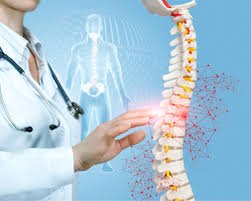
What a Spine Surgeon Does and When You Need One
A spine surgeon specializes in diagnosing and treating conditions that affect the spinal column, spinal cord, discs, and surrounding nerves. These conditions may arise from injury, age-related wear, repetitive strain, or congenital differences. When symptoms include persistent back or neck pain, numbness, weakness in the limbs, or difficulty walking, it may be time to consider evaluation by a specialized surgeon. Rather than relying only on imaging test results, a comprehensive evaluation includes movement analysis, nerve function tests, and clinical assessment to determine the most appropriate course of care.
Early consultation with a spine surgeon helps prevent minor issues from becoming major limitations. Alongside surgical expertise, non-surgical treatment options often remain beneficial if integrated as part of a larger care plan. Therefore, the best spine surgeon helps patients understand not only what the condition is but also how various treatment paths can help restore function and minimize future discomfort.
Comprehensive Spine Evaluation at Dr. Aniruddha’s Advance Ortho And Polyclinic
At Dr. Aniruddha’s Advance Ortho And Polyclinic, spine evaluation goes beyond routine symptom reporting. Instead, specialists take time to understand how pain affects everyday motion, sleep patterns, work duties, and long-term physical goals. By viewing the entire movement chain, the clinic identifies not only the structural problem but also the functional contributors. As a result, treatment planning becomes precise, purpose-driven, and individualized rather than generic.
This detailed assessment may include clinical testing, motion analysis, and targeted imaging when necessary. Consequently, the surgeon gains a clear understanding of structural alignment, nerve involvement, and muscle balance before recommending care. Because discomfort often arises from more than one source, this comprehensive strategy helps avoid incomplete solutions and supports more predictable long-term recovery.
Spine Surgery by Dr. Aniruddha Deshmukh — Expertise and Personalized Planning
Dr. Aniruddha Deshmukh is an experienced spine surgeon in Pune who focuses on personalized care that aligns with each patient’s movement goals, pain history, and activity requirements. Rather than applying one standardized surgical plan, Dr. Deshmukh evaluates individual anatomy and functional demands to choose the most appropriate surgical approach. This tailored strategy improves the odds of reducing pain while preserving or restoring movement quality.
Moreover, Dr. Deshmukh emphasizes clear communication with patients throughout the care process. Instead of confusing medical terminology, he explains the condition, surgical rationale, recovery expectations, and rehabilitation goals in understandable terms. When patients feel informed, they engage more confidently in both treatment and recovery — a factor that often improves outcomes and enhances patient satisfaction.
Conditions Commonly Treated by Spine Surgeons in Pune
Spine surgeons manage a range of conditions, including:
- Herniated discs and nerve root compression
- Spinal stenosis (narrowing of spinal canal)
- Degenerative disc disease
- Spondylolisthesis (vertebral slippage)
- Sciatica and radiating nerve pain
- Post-traumatic spinal injuries
- Chronic low back or neck pain refractory to conservative care
Because these conditions differ in cause and progression, evaluation and intervention require careful planning. In many cases, non-surgical care such as targeted physiotherapy, movement re-education, or activity modification precedes surgical consideration. When surgery becomes necessary, its timing often influences recovery results.
Surgical Techniques for Spine Conditions in Pune
Preparing for Spine Surgery — What Patients Should Expect
Rehabilitation After Spine Surgery — Restoring Motion and Strength
Lifestyle and Preventive Guidance for Long-Term Spine Health
Frequently Asked Questions (FAQs)
1. When should I consider seeing a spine surgeon?
A spine surgeon evaluation becomes important when pain, numbness, or weakness persists despite conservative care or affects daily movement.
2. Can spine issues improve without surgery?
Yes, many conditions respond well to non-surgical management when addressed early.
3. Does rehabilitation help after spine surgery?
Absolutely; structured physiotherapy improves strength, coordination, and long-term movement confidence.
4. How long does recovery take after spinal surgery?
Recovery timelines vary but generally include steady improvement over weeks to months with consistent rehabilitation.
5. How do I choose the best spine surgeon in Pune?
Look for experience, personalized care planning, and long-term rehabilitation support.